Petrol and diesel prices increased by ₹3 per litre across the country following a rise in global energy prices.
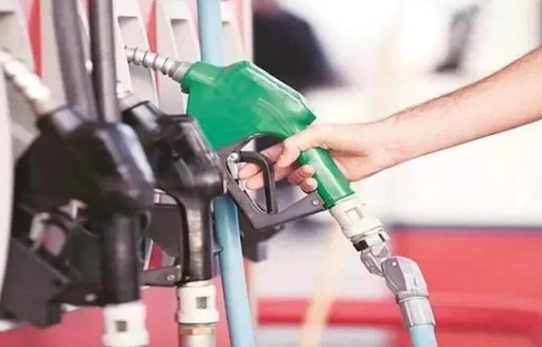
Petrol and Diesel Prices Increased by ₹3 per LitrePetrol and diesel prices increased by ₹3 per litre each. Oil companies announced the hike amid a spike in global energy prices.The revision took effect immediately. In New Delhi, petrol prices have risen from ₹94.77 to ₹97.77 per litre. Diesel prices have gone up from ₹87.67 to ₹90.67 per litre.
This uniform increase applies to both fuels. The move comes as global energy prices continue to rise, putting pressure on domestic oil marketing companies.
Consumers will now pay ₹3 more for every litre of petrol and diesel. The hike directly affects daily commute costs, transport, and goods movement across the country.Households and businesses using these fuels for generators or vehicles are likely to see an immediate rise in expenses. Fleet operators and logistics companies may adjust their charges in response to the higher fuel costs.
The new rates in New Delhi reflect the updated pricing. Actual prices in other cities may vary slightly due to local taxes and levies.Motorists are advised to check the latest fuel rates at nearby pumps. No immediate rollback has been announced by oil companies.
Daily Fuel Price Trends Analysis (as of mid-May 2026)
Retail petrol and diesel prices in India remained largely stable for several weeks leading up to mid-May 2026. Oil marketing companies revised prices daily at 6 AM based on global crude costs, exchange rates, and taxes, but no major changes occurred in major cities until the recent ₹3 per litre hike.
Recent Domestic Trends in India
In New Delhi:Petrol stayed at ₹94.77 per litre.
Diesel held at ₹87.67 per litre for an extended period (over 10–12 days with zero daily change).
Similar stability appeared in other metros like Mumbai (petrol ~₹103.49–103.54, diesel ~₹90.03), Kolkata, Chennai, and Bengaluru, with only minor city-specific variations due to local taxes.
Daily fluctuations were minimal or zero for weeks. This reflected a deliberate policy approach amid high global crude prices, including government measures like earlier excise duty adjustments to cushion consumers. The sudden ₹3 per litre increase (petrol to ₹97.77 and diesel to ₹90.67 in Delhi) marks the end of this extended freeze.
Global Crude Oil Price Trends
Brent Crude (global benchmark) showed high volatility but a strong upward trend:Trading in the $105–$110+ per barrel range recently, with peaks above $110–$126 earlier.
Up over 60% year-on-year, driven by supply disruptions.
WTI Crude followed closely, hovering near $100 per barrel.Daily movements were sharp: gains of 2–3% on some days, with swings tied to geopolitical news. For instance, Brent rose around 0.87% to $106.55 on one recent session. Monthly gains reached 7–12% amid ongoing tightness.
Key Drivers of Daily Volatility
Strait of Hormuz disruptions: Reduced global supply by millions of barrels per day, creating a market deficit and record inventory draws.
Geopolitical risk premium kept prices elevated and sensitive to any news on talks, shipping, or escalations.
Summer demand added pressure, though high prices may curb some consumption.
India’s retail prices lagged global moves for weeks due to buffering mechanisms but adjusted sharply with the latest hike as losses mounted for oil companies.
Expect continued daily revisions in India now that the freeze has ended. Further increases remain possible if global crude stays above $100, though government intervention could moderate them. Global markets will stay volatile, reacting quickly to developments in the Middle East.Consumers should monitor local pump prices daily, as they can change every morning. Fleet operators and households using diesel generators may face rising costs in the near term.This analysis connects directly to the recent ₹3 per litre hike in petrol and diesel prices, which reflects the pass-through of sustained global pressures. Trends can shift rapidly—check official sources like PPAC or IOC for the latest city-wise rates.
Explore global crude oil markets
Global Crude Oil Markets Overview (as of mid-May 2026)
Crude oil prices have surged sharply in recent months due to major geopolitical disruptions in the Middle East. The key trigger is the ongoing conflict involving the US, Israel, and Iran, which has led to the effective closure of the Strait of Hormuz since late February 2026. This chokepoint handles nearly 20% of global oil flows.
Current Prices
Brent Crude (global benchmark): Trading around $105–$110 per barrel, with recent levels near $107. It has risen over 60% compared to a year ago and peaked above $126 at times.
WTI Crude (US benchmark): Hovering near $100–$102 per barrel.
Prices remain highly volatile, swinging on news about peace talks, shipping disruptions, and inventory levels.
The primary cause is the Strait of Hormuz disruption. This has forced major producers like Saudi Arabia, Iraq, and the UAE to shut in significant production volumes. Global oil supply has dropped by over 12 million barrels per day (mb/d) since the conflict intensified.
Global inventories are drawing down at a record pace. The market is in deficit, with expectations of continued tight supplies through the peak summer demand season.
Other factors include stalled US-Iran negotiations and risks of further attacks on energy infrastructure. This has added a substantial geopolitical risk premium to prices.
Demand and Supply Outlook
The International Energy Agency (IEA) now forecasts a contraction in global oil demand for 2026, partly due to high prices slowing economic activity. Supply losses are significant, but some analysts warn of potential surpluses later in the year if disruptions ease.
Longer-term forecasts vary widely. Some see prices easing toward $60–$90/bbl by late 2026 or 2027 if flows resume, while prolonged closure could keep prices elevated and risk broader economic impacts, including higher inflation and slower global growth.
Connection to India’s Fuel Price Hike
The recent ₹3 per litre increase in petrol and diesel prices in India directly reflects these global pressures. Higher international crude costs raise the import bill for oil marketing companies, which then pass on part of the increase to consumers. New Delhi rates (petrol at ₹97.77 and diesel at ₹90.67) align with this trend.What to Watch Next:Progress in US-Iran talks and any reopening of the Strait of Hormuz.
Summer demand patterns and inventory data.
OPEC+ responses to the current tightness.
The situation remains fluid. Markets will react quickly to any breakthroughs in diplomacy or escalations in the region. For the latest updates, check reliable sources like the IEA, EIA, or major energy news outlets.